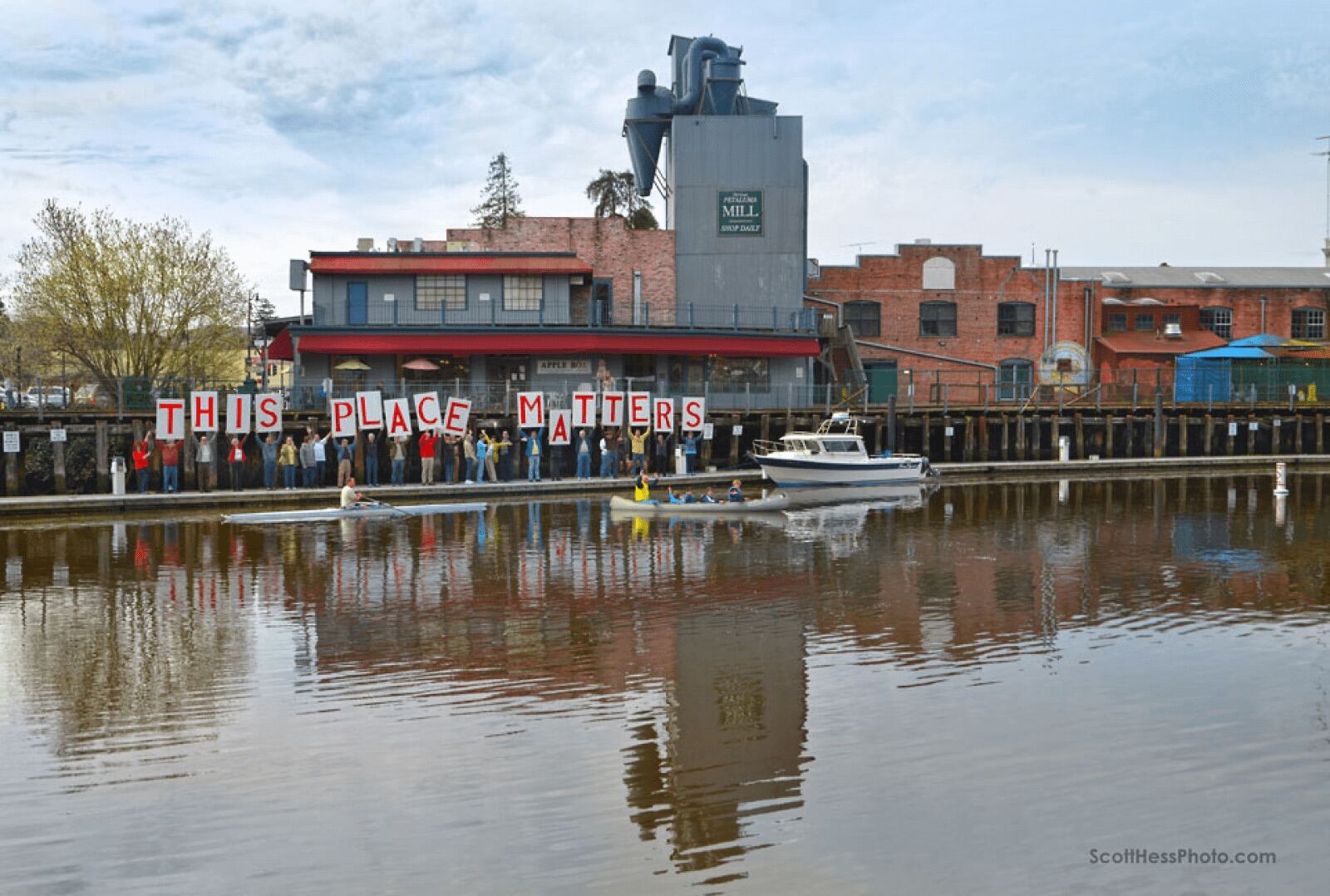
The Trestle on the Petaluma riverfront, with community members on the boat docks holding up letters spelling "This Place Matters."

A Grassroots Effort

Join Us in Revitalizing Petaluma’s Riverfront

Trestle Promenade Now is a volunteer-led campaign to rehabilitate Petaluma’s deteriorating historic riverfront trestle as a safe, welcoming public promenade. Join neighbors working to reconnect our community with the Petaluma River.

Our Vision

Petaluma will create a beautiful and iconic riverfront promenade that invites everyone to enjoy our downtown river district.

Role of Petaluma Trestle Promenade Now

The “Petaluma Trestle Promenade Now” Steering Committee provides the sustained civic leadership required for our community and city to collaboratively dream, define, and complete the Project. Its volunteer members serve as project advocates, stewards, resource gatherers, and community liaisons. Mayor Kevin McDonnell chairs the committee.

Let’s pull together to realize the vision and get the project done. Let’s DO SOMETHING NOW!

The missing piece to move this project forward now is input from you! A nationally recognized consulting firm is ready to lead our Community Visioning process and deliver the final design that turns this vision into a buildable plan. We are partnering with the City, but need $50,000 to do this right.

It takes a village! Help us fund that contract — and move the Trestle from vision to reality.

Donate Now (opens in new tab)

Trestle Promenade Now operates under the fiscal sponsorship of Healthy Petaluma Foundation, a 501(c)(3) nonprofit — EIN 88-0631005. All donations are tax-deductible to the fullest extent allowed by law.

Trestle History

A Century on the River

1922

Built for the Egg Basket of the World.

The trestle was built by the Petaluma and Santa Rosa Railroad Company to connect the rail line with the Petaluma River, letting regionally produced goods — especially poultry and eggs — reach San Francisco and beyond. It’s part of why Petaluma became known as the “Egg Basket of the World.”
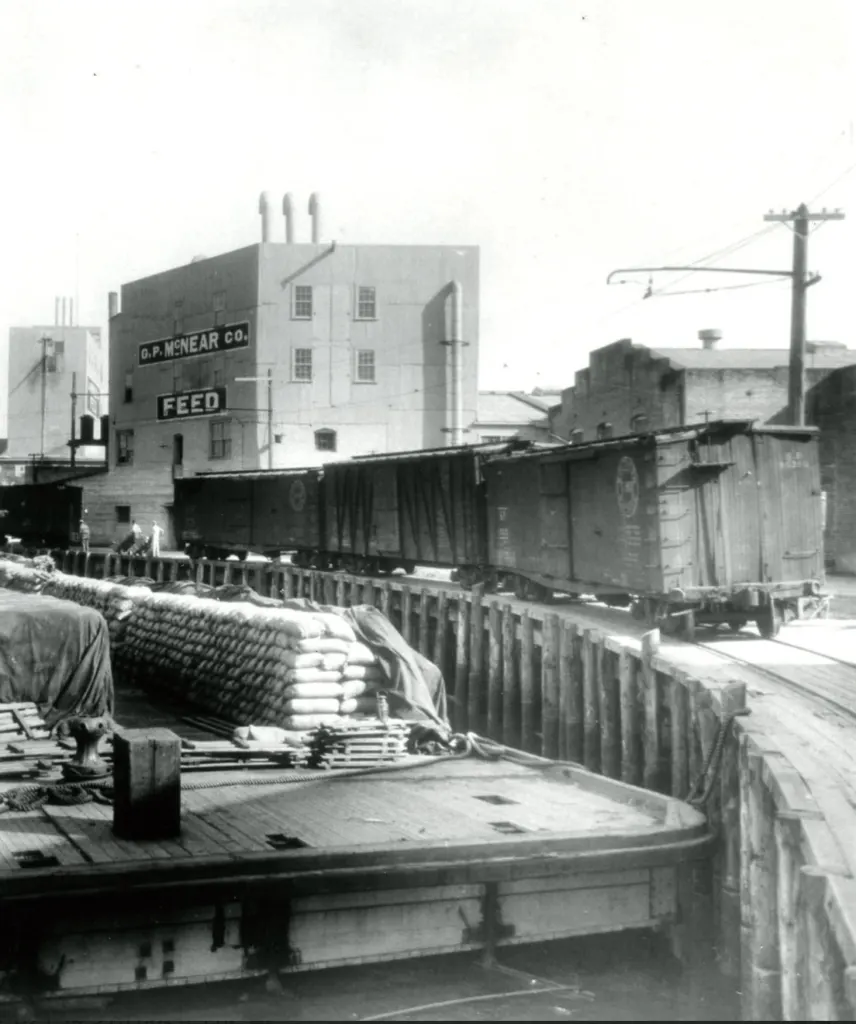
A historic train on the Petaluma trestle beside a barge loaded with feed sacks.

Mid-20th century

From Steamers to Sailboats

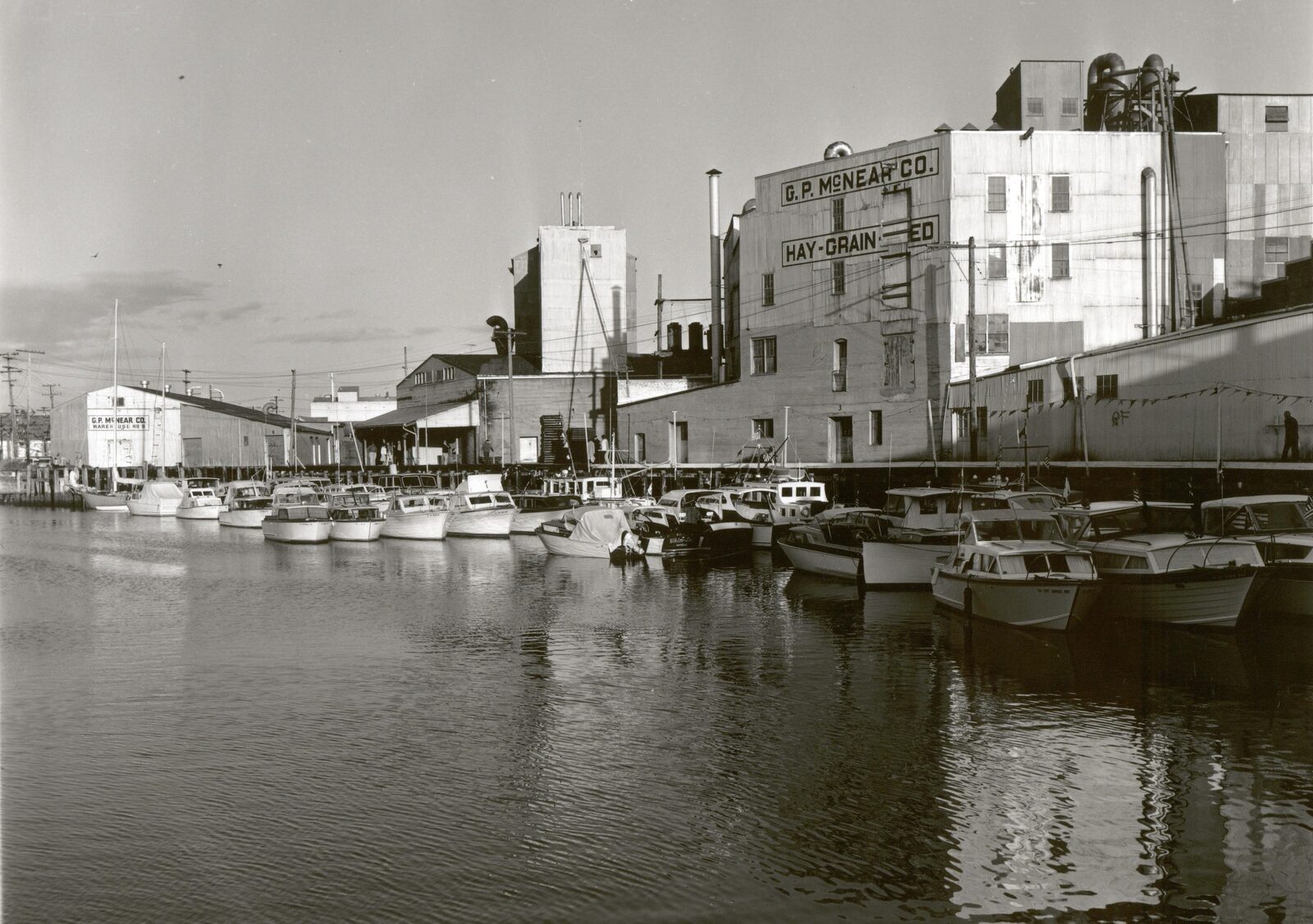
By the 1950s, commercial traffic on the Petaluma River had declined significantly, and steamers and barges that had once lined up beneath the trestle were replaced by cabin cruisers, small yachts, and fishing boats.

Cabin cruisers and small boats moored along the Petaluma River docks near the trestle in the 1950s.

Late-20th century

Where Petalumans Came Together

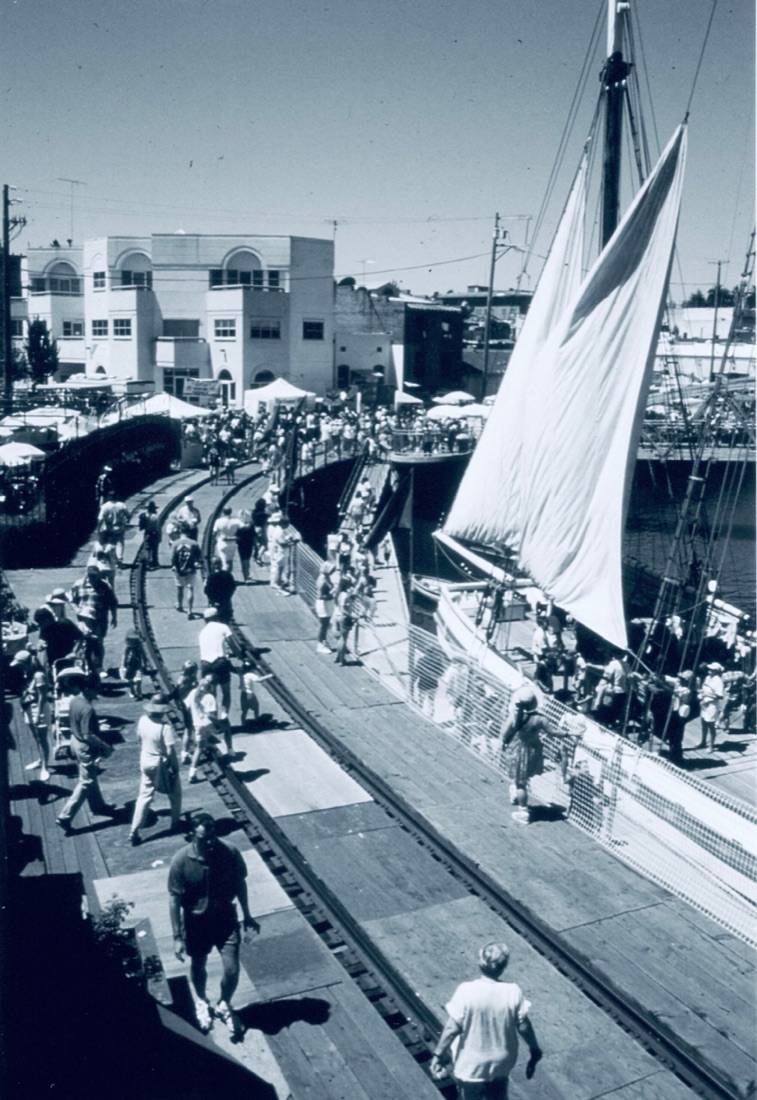
In 1986, the Petaluma River Festival was founded, and the trestle became a pedestrian walkway and viewing platform for year-round, river-centric events until it was declared unsafe.

People walking on the Petaluma trestle when it was still accessible.

2007

Historic Significance, Officially Recognized

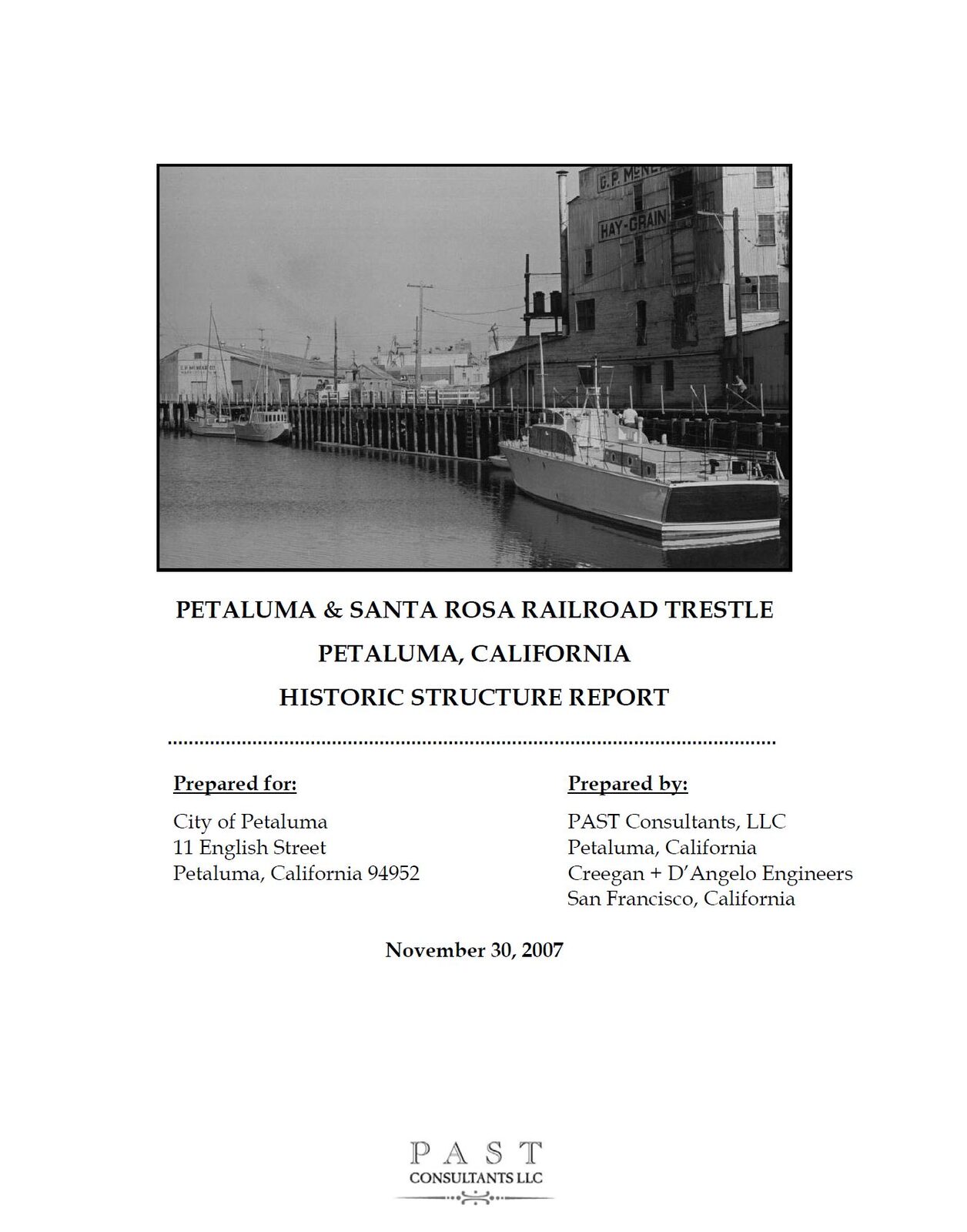
A Historic Structures Report for the Petaluma & Santa Rosa Railroad Trestle is prepared and concludes that the trestle appears eligible for the National Register and California registers as an individual historic resource, and also eligible as a contributing structure to the National Register–listed Petaluma Historic Commercial District.

Cover of the 2007 Petaluma & Santa Rosa Railroad Trestle Historic Structures Report.

2010

The Grant That Almost Got Us There

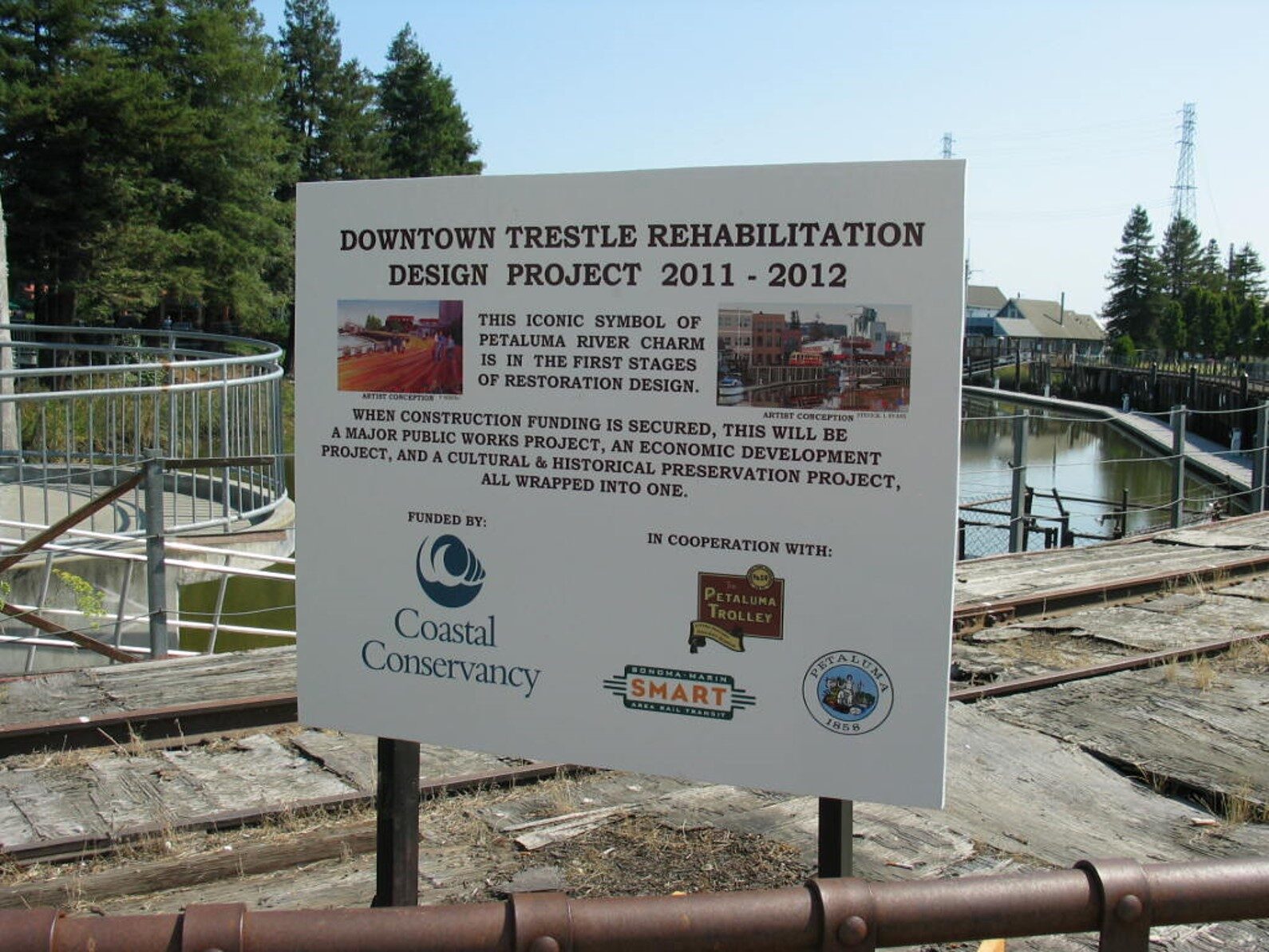
The California Coastal Conservancy deemed the trestle an important segment of the Petaluma River Trail and awarded the city a $475,000 grant to partially fund analysis, engineering designs, and permits for its rehabilitation.

A 2011–2012 project sign on the trestle announcing the Downtown Trestle Rehabilitation Design Project, funded by the California Coastal Conservancy.

2013

First Rehabilitation Plans

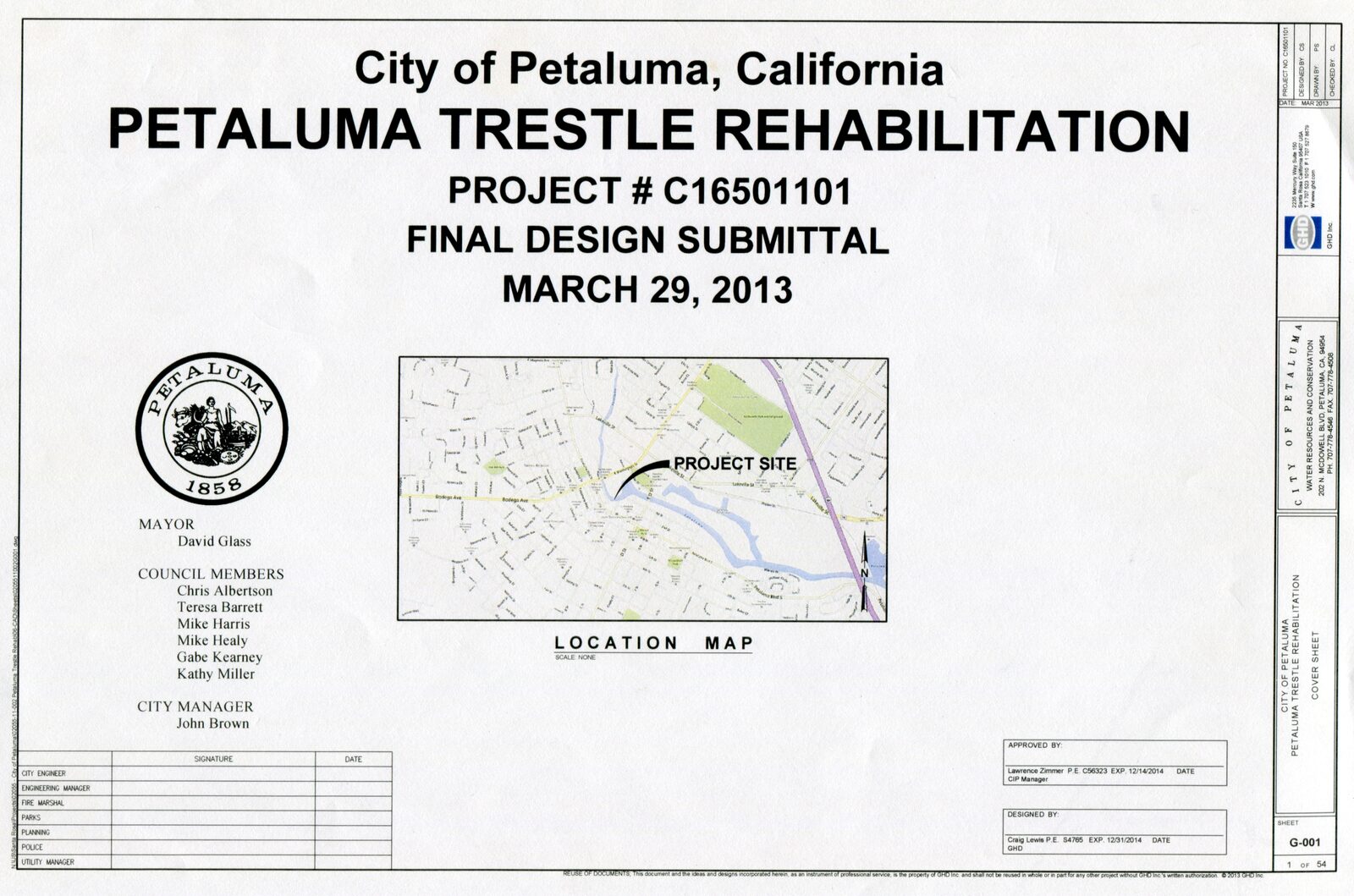
Construction plans were prepared to rehabilitate the structure, with an early cost estimate of roughly $6 million — the project’s first serious attempt at a path forward, stalled by competing city priorities.

Cover sheet of the 2013 GHD Final Design Submittal for the Petaluma Trestle Rehabilitation project.

2022

The City Prioritizes the Project

On May 2, 2022, Petaluma’s City Council formally prioritized the trestle project. That same momentum inspired the Petaluma Woman’s Club to launch the “Time to Trestle” movement, rallying supporters to help keep the project moving forward.

Early 2025

A structural survey.

The timber piles that make up the trestle’s primary structure were inventoried and evaluated — confirming the core structure is sound, even as the decking has deteriorated past safe use.

2026

Petaluma Trestle Promenade Now launches.

A new community steering committee, chaired by Mayor Kevin McDonnell, kicked off with a public gathering on the wharf in May, and Healthy Petaluma Foundation came on as fiscal sponsor in August — beginning the campaign to fund a professional Community Visioning process.

2028–2030

The road ahead.

With Community Visioning funded and a shovel-ready design in hand, a realistic public opening sits somewhere between 2028 and 2030.

The Trestle Promenade Project Meets All of the City of Petaluma’s Five Main Goals

  1. A City that Works for Everyone
  2. An Environmental Legacy We Can Be Proud Of
  3. A Safe Community that Thrives
  4. An Economy that Prospers
  5. Spaces and Places that Inspire

Community Benefits

Trestle Promenade Benefits All

The project will provide a beautiful, wide promenade where people can gather and stroll as they connect with nature and the river, attend special events, enjoy outdoor dining, and access our river-area amenities and attractions. It will:

  • Spur private investment that elevates our downtown riverfront district.
  • Encourage people to walk, visit, shop and recreate in our downtown.
  • Stimulate investment that delivers measurable economic returns.
  • Attract tourism dollars and other revenue streams that fund city services.
  • Honor and preserve the authentic sense of place that connects Petaluma’s river history to its present.
  • Remove blight and turn a deteriorating liability into an asset.
  • Create an urban oasis with multiple benefits.
  • Address climate and environmental issues related to our tidal slough.
  • Foster understanding of Petaluma’s river and rail history.

Thank you to Scott Hess, Jim Johnson, and the Petaluma Historical Library and Museum for photographs, and Alan Butler for the sketch.