Project Information

Current Project Status

The City of Petaluma and the volunteer Trestle Promenade Now Steering Committee are working to rehabilitate the aging downtown riverfront trestle as a safe, accessible, and welcoming public promenade. Current environmental permitting and Community Visioning are defining a clear path from community input to a buildable design.

This is a rare moment. The City is engaged. The community has spoken. And with your support, the Riverfront Trestle Promenade can move from a long-held dream to a project underway.

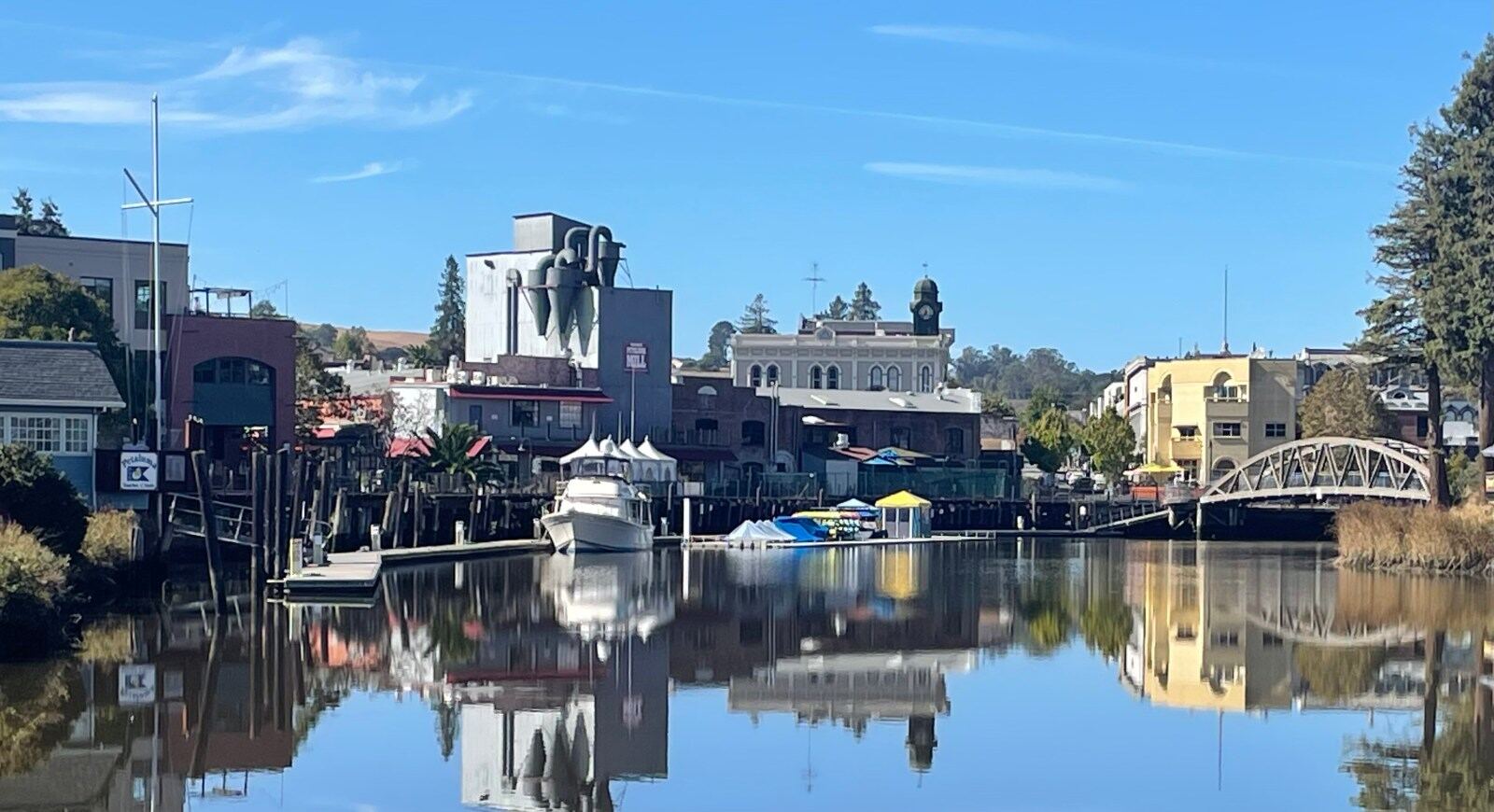
The Petaluma Trestle and Balshaw Bridge over the turning basin.
1922Built in
500 feetLong
37Pile bent structure supports

About This Project

What’s Being Proposed

The City of Petaluma is currently in early environmental permitting. The next step is a professional Community Visioning process — led by a nationally recognized consulting firm — that turns community input into a buildable, shovel-ready design. That process is what the current fundraising campaign is paying for.

Visit the City of Petaluma’s Historic Trestle Reconstruction Page → (opens in new tab)

What happens next:

  • Fund and complete Community Visioning
  • Finalize a shovel-ready design
  • Secure construction funding
  • Build and open the promenade
Help Fund the Next Step →

Success Stories from Similar Efforts

A Neighboring Riverfront Revitalization Project

Napa, California — Petaluma’s North Bay Neighbor, and Best Blueprint · Population ~80,000 · Napa River (tidal slough, like the Petaluma River)

The Napa River flooded 27 times over decades, keeping property values down and the waterfront closed to public use. Napa’s riverfront was a liability, not an asset. Traditional flood-control fixes kept failing politically, until the community rejected a standard Army Corps concrete-wall design and demanded something different.

An ad hoc Community Coalition — more than 25 agencies and 400 residents, including Friends of the Napa River, the Chamber of Commerce, the Sierra Club, and downtown merchants — spent two years redesigning the flood project from scratch. The result was a set of “Living River Principles” that replaced hard walls with restored floodplains, wetlands, and natural river meanders. The plan won a 1998 National Planning Honor Award, which helped it attract funding nationwide.

The payoff: the Oxbow District, once flood-prone industrial land, is now Napa’s biggest draw — the Oxbow Public Market, CIA at Copia, hotels, and a riverfront promenade pull in an estimated 1.8–2 million visitors a year.

Why it matters for Petaluma

Napa’s river is a tidal slough just like ours, and its funding toolkit is one Petaluma could realistically follow today:

  • Local match: A voter-approved ½-cent sales tax (Measure A) funded the local share needed to unlock federal dollars
  • Federal construction partner: U.S. Army Corps of Engineers, once local match was secured
  • Federal appropriations: Napa’s congressional delegation secured $48.3M in 2021 to complete the project
  • EDA grants: now funding the next phase — a citywide RiverLine trail project
  • Redevelopment Agency funds: façade improvement grants preserved historic buildings while revitalizing downtown
California & New York

Five Precedent Projects

Profiles of five precedent projects — adaptive reuses of historic railroad trestles — that inform Petaluma’s effort to convert its downtown timber-pile railroad trestle into a riverfront pedestrian promenade.

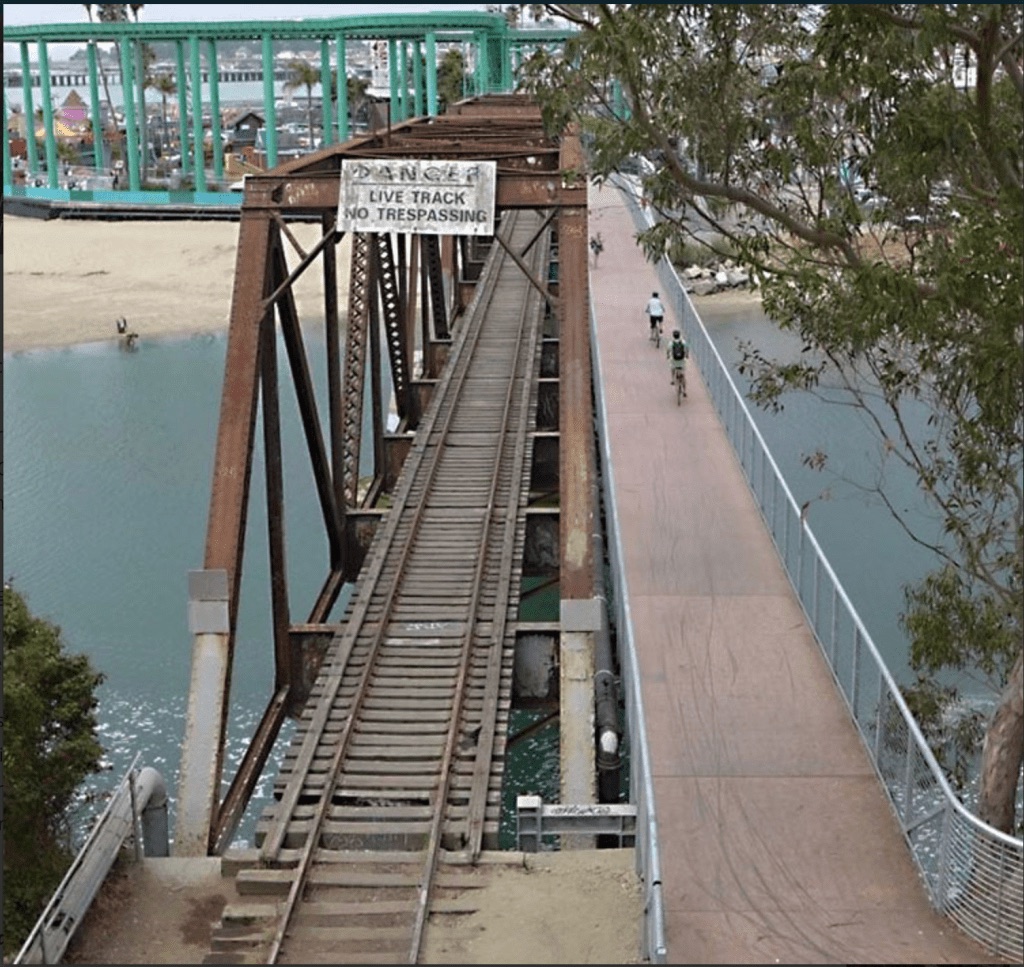
The rehabilitated San Lorenzo River railroad trestle and its pedestrian deck in Santa Cruz.

01

San Lorenzo River Trestle Trail

Santa Cruz, CA · 2015–2019

Read more →

The closest analogue. A historic 1905 timber trestle was converted into a 340-foot pedestrian promenade by cantilevering a new fiberglass deck off the existing structure — no pile work, no in-river construction. Total cost: $2.03M. Completed ahead of schedule in ~7–8 months. This approach directly addresses the environmental permitting problem Petaluma faces with its creosote-treated piles.

Photo credit: The Publishing Group, Inc.

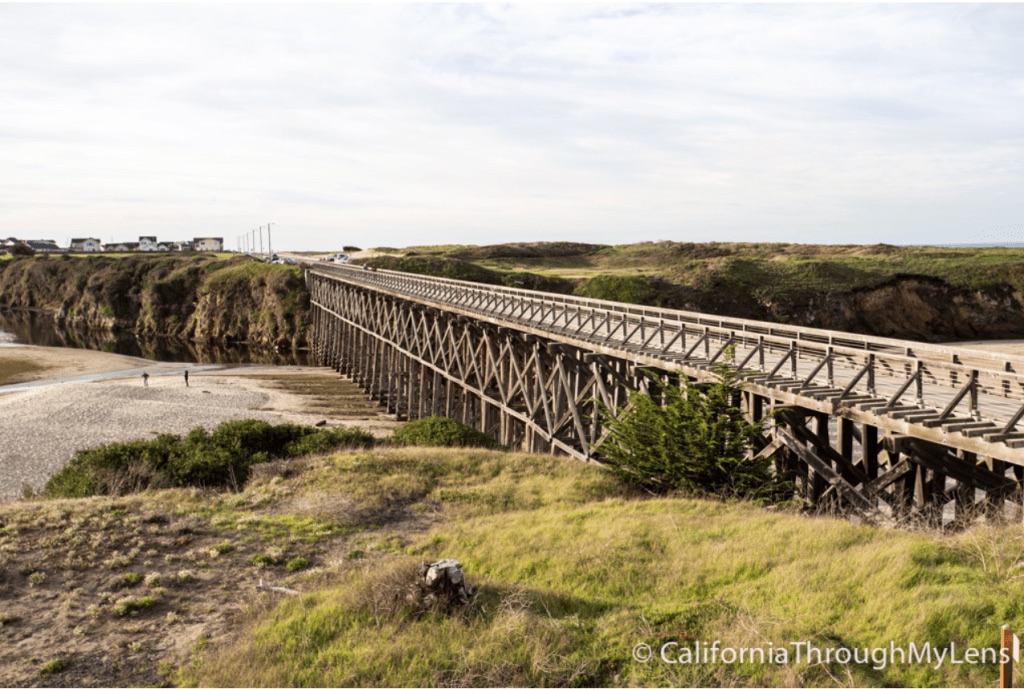
The rehabilitated Pudding Creek Trestle crossing the creek in Fort Bragg.

02

Pudding Creek Trestle

Fort Bragg, CA · 2001–2007

Read more →

A 515-foot coastal trestle rehabilitated for pedestrians, cyclists, and equestrians. Similar structural challenges (pile rot, creosote, endangered species habitat). Used innovative helical piles and salvaged old-growth timber. Total cost: ~$2.17M, design budget $235K — a useful benchmark for Petaluma’s next procurement phase.

Photo credit: California Through My Lens

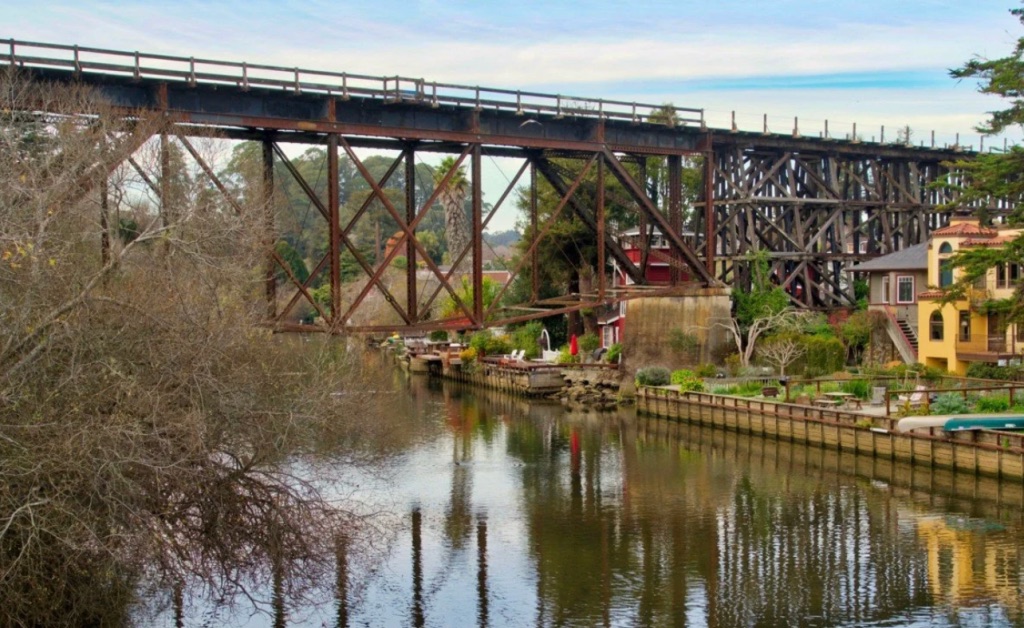
The historic railroad trestle crossing Soquel Creek in Capitola.

03

Capitola Trestle

Santa Cruz County, CA · 2017–ongoing

Read more →

A complex of five historic railroad bridges being converted for active transportation. Highlights the cost of a multi-stage RFP approach, with consultant fees alone exceeding $2.1M before construction. Construction targeted for 2027, with an estimated project cost of $15–30M. A cautionary tale for delays and cost escalation.

Photo credit: Santa Cruz Works

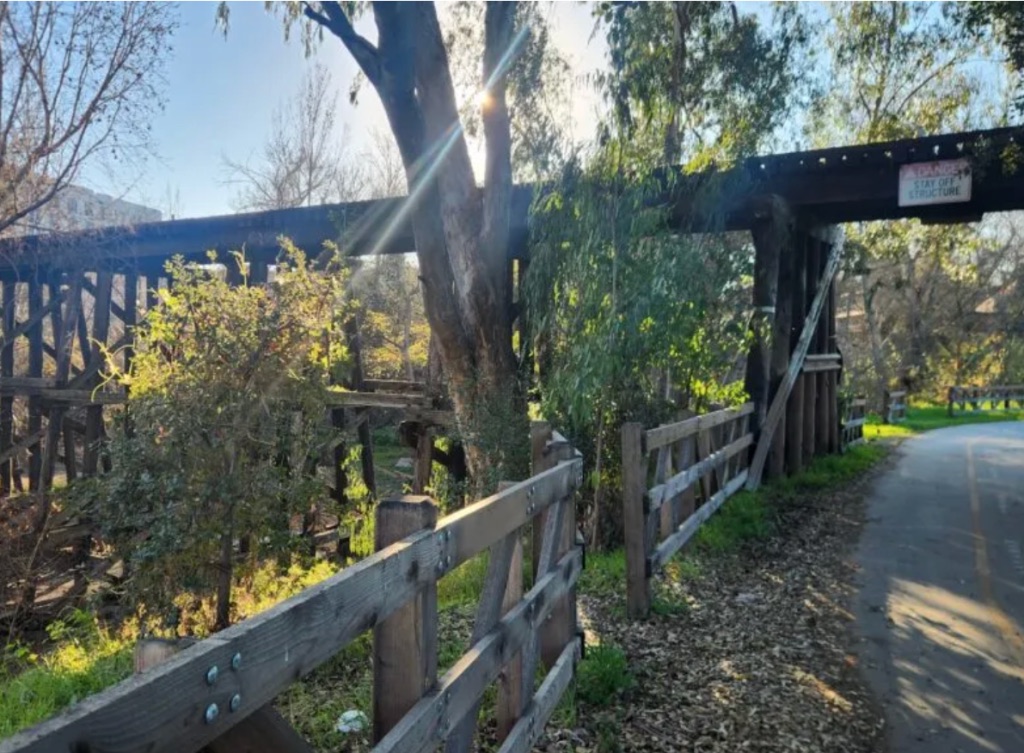
The historic timber railroad trestle over Coyote Creek in San Jose.

04

Coyote Creek Trestle

San Jose, CA · 2012–ongoing

Read more →

A current, unresolved project mirroring Petaluma’s situation closely — same era, same creosote timber construction, same preservation-vs.-demolition debate. After 14+ years, no decision has been made. Offers a useful three-alternative framework (retrofit only / demolish and replace / retrofit plus new adjacent bridge) that Petaluma could adapt for its own analysis.

Photo credit: Local News Matters (Bay Area)

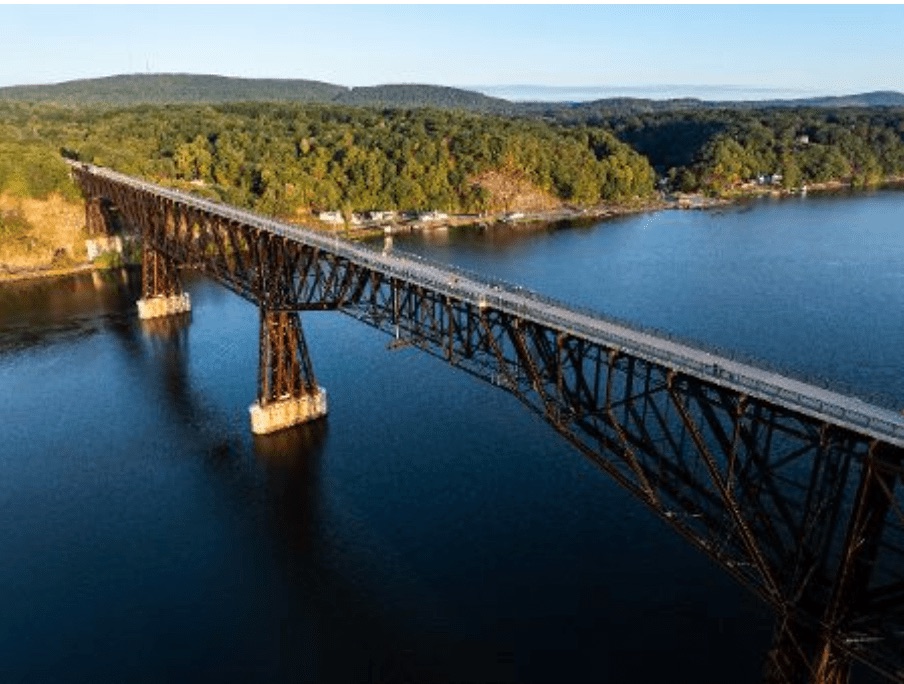
The Walkway Over the Hudson railroad bridge adapted as a pedestrian path.

05

Walkway Over the Hudson

Poughkeepsie, NY · 2004–2009

Read more →

The most thoroughly documented railroad bridge adaptive reuse in the U.S. Much larger in scale ($38.8M total), but its nonprofit-led, public-private funding model and “don’t touch the substructure” engineering approach both apply directly to Petaluma’s situation.

Photo credit: Maurice D. Hinchey Hudson River Valley National Heritage Area

More detailed report: Precedent Project Research Report, prepared for the Trestle Promenade Steering Committee by Katherine Gregor, April 16, 2026.